A stay at Vila Pozitiv is a chance to discover far more than Sisevac itself. Quiet nature, the Crnica river, medieval monasteries, mining heritage, caves and waterfalls are all within reach — from a short morning walk to a full family day out.
In Sisevac
Start in Sisevac
Some of the loveliest places to visit are right around Vila Pozitiv. Begin the day with a walk through the greenery of Sisevac, along the Crnica river and past places that hold the history of the area.
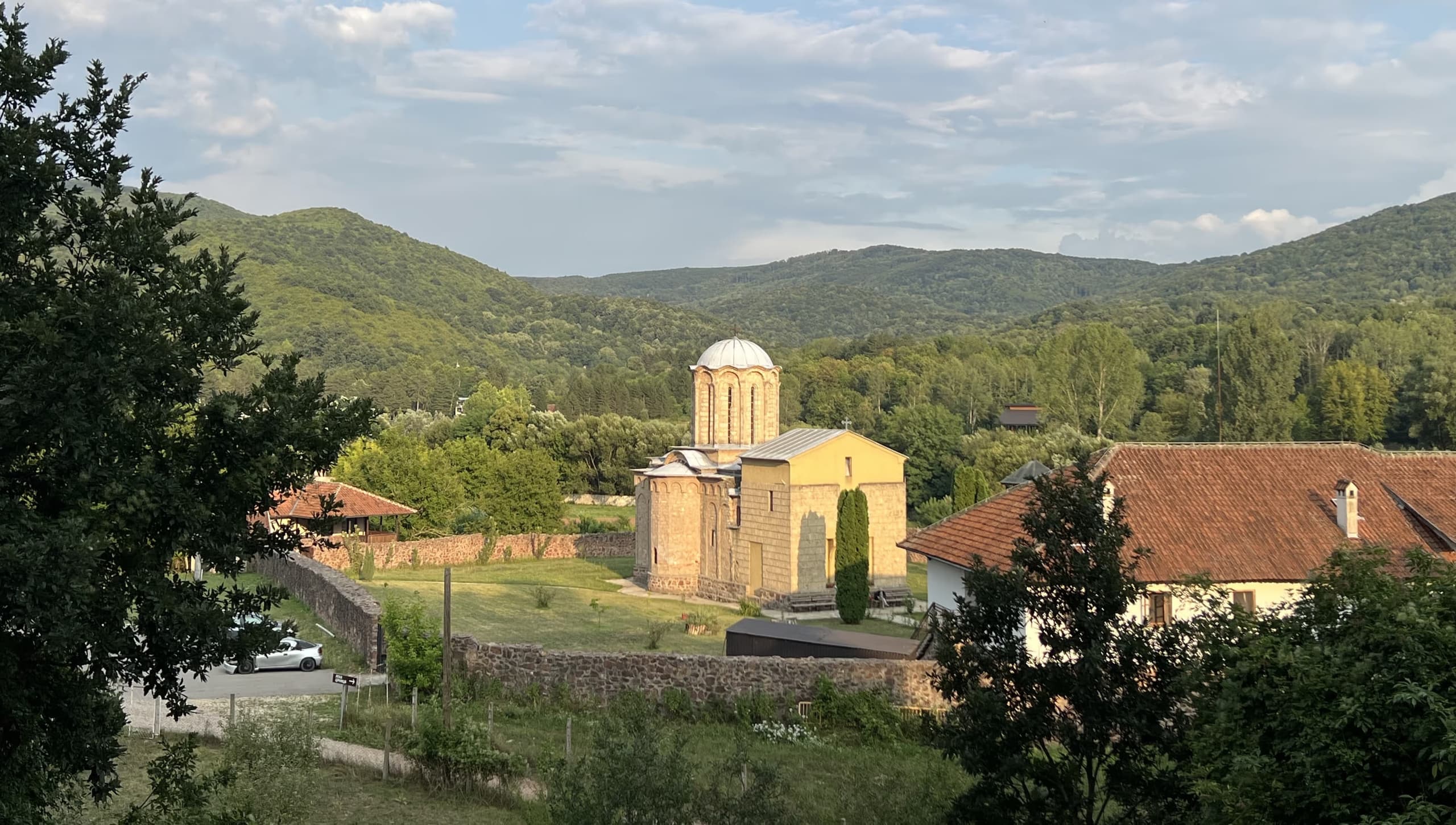
Sisojevac Monastery is one of the symbols of the area and a natural first stop for guests who want to learn about the history of Sisevac. It was built in the second half of the 14th century beside the source of the Crnica and is first mentioned in 1398, in a charter of Princess Milica.
Set in quiet greenery, it pairs cultural heritage with a short walk in nature.
On foot from the villa·approx. 1 km from the villa
02
The Crnica river
Sisevac is closely tied to the Crnica river, whose source area lies here. A walk by the water and through the greenery is a good choice when you want a simple outing without getting in the car — and a lovely excuse for photographs in the quiet of nature.
On foot from the villa·Right next to the villa
Culture and history nearby
In the footsteps of history
The wider Sisevac area is home to some of the most important monuments of medieval Serbia — and to the lesser-known mining heritage of central Serbia.
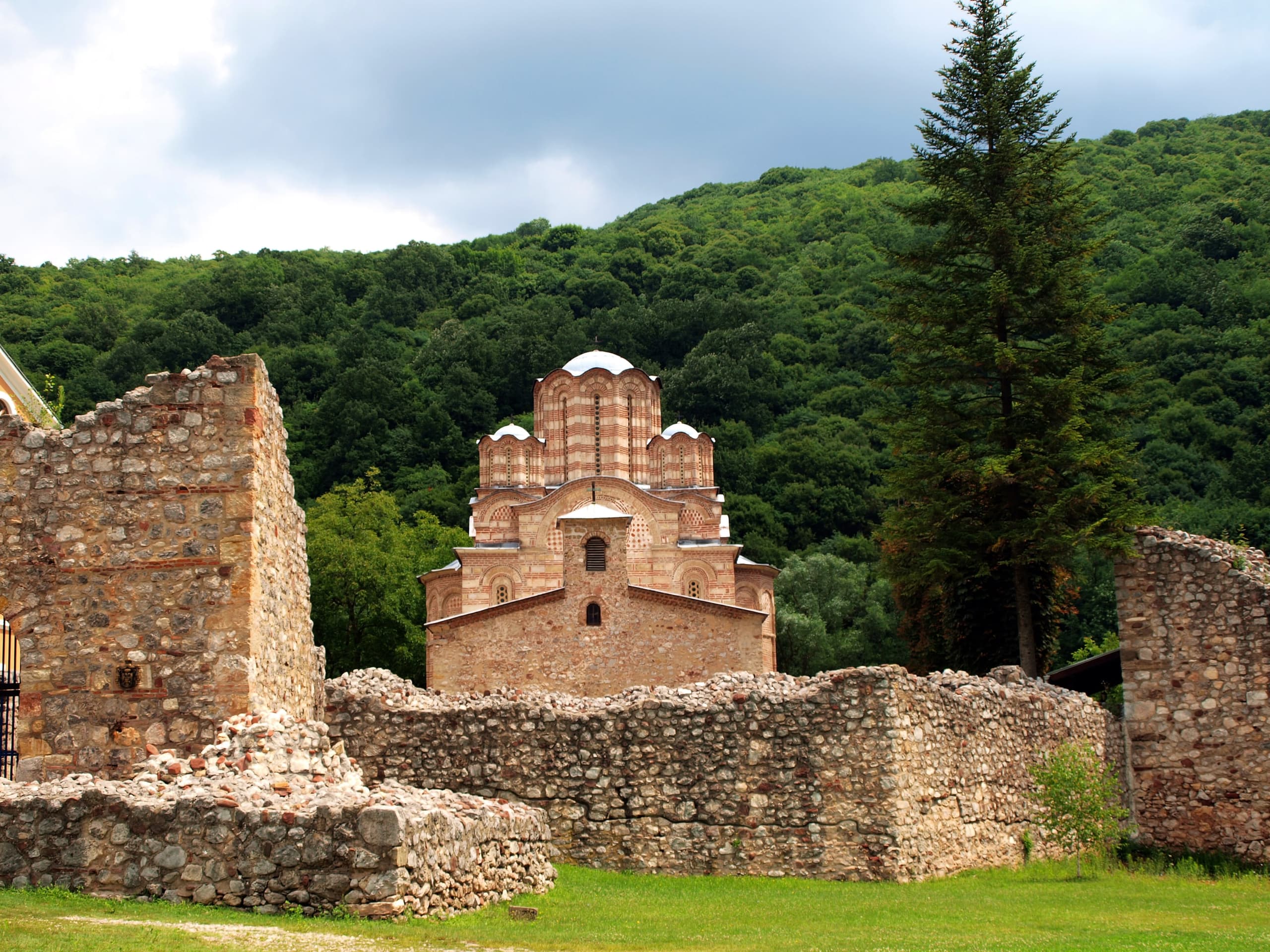
Ravanica Monastery is one of the most important medieval complexes in this part of Serbia. Founded by Prince Lazar and built in 1375–1377, it is known for its architecture, its frescoes and its great place in Serbian cultural and spiritual history.
Being close to Sisevac, it is also a good choice for a shorter trip during your stay.
For a different view of local history, visit the Coal Mining Museum in Senjski Rudnik. The museum complex preserves mining objects, machinery, documents and buildings connected with the development of one of the most important mining settlements in Serbia.
An especially interesting trip for guests curious about the lesser-known industrial history of central Serbia.
The Petruš area and the surroundings of Zabrega hide traces of many medieval church buildings, and the remains of Namasija Monastery are among the places worth singling out. The Crnica canyon, greenery and historic ruins give the area a character quite unlike conventional tourist sights.
Some sites are reached by hiking trails rather than roads — this is not an easy family stroll. Suitable footwear and good navigation are needed.
Lešje Monastery, in the village of the same name in the municipality of Paraćin, is a quiet place for guests interested in the spiritual heritage of the area and a short trip by car.
The caves, waterfalls and springs of the Kučaj mountains and Upper Resava are a good reason to set aside at least one longer day for an excursion.
Recommended
07
Resava Cave
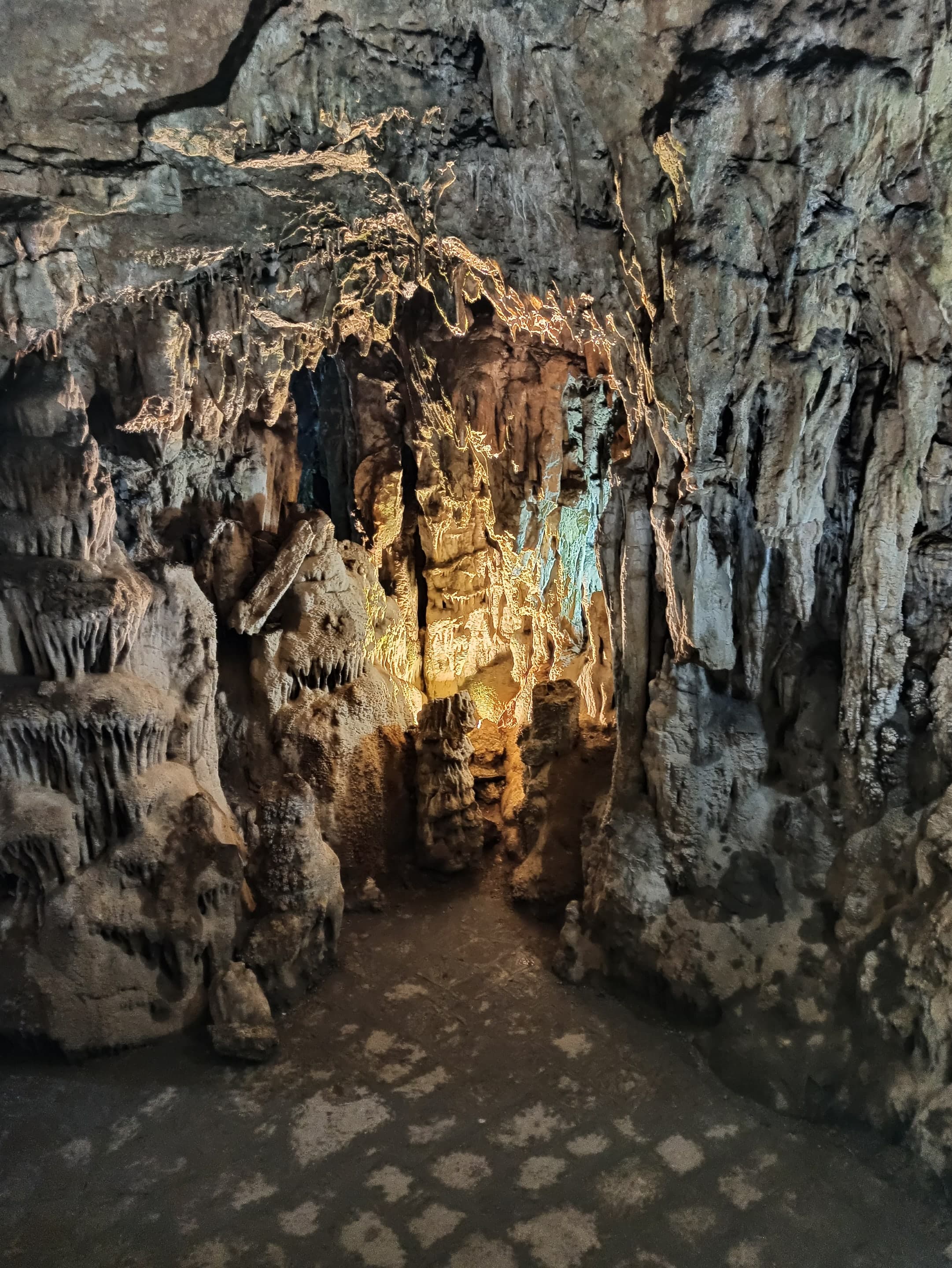
Resava Cave is one of the best-known natural attractions of eastern Serbia. A laid-out visitor path leads through cave halls rich in stalactites, stalagmites, columns and other karst formations.
It makes a good half-day or full-day trip, especially combined with other sights of Upper Resava.
At the foot of Mount Beljanica, in the Lisine area, lies Veliki Buk — one of the best-known waterfalls in this part of Serbia. Surrounded by greenery and water, it is a great choice for guests who want to spend most of the day outdoors.
Resava Cave and Veliki Buk can be combined in a single trip.
By car and a short walk·approx. 41 km · approx. 60 min drive
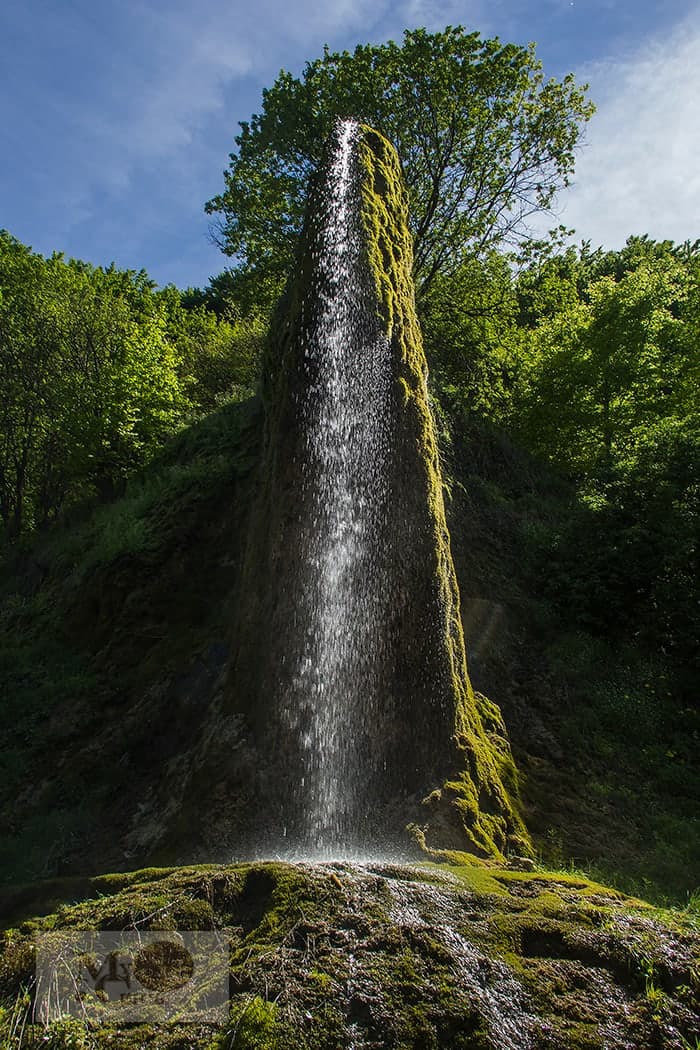
Prskalo Waterfall is one of the most striking natural sights of the Kučaj mountains. The water falls over a cone of tufa about 15 metres high, deposited by the stream itself over centuries — a setting that feels far wilder and more untouched than developed tourist sites.
Access is by an unmarked gravel road that is often in poor condition for ordinary cars, so many visitors reach it on foot as part of a longer hike. Not suitable for an easy family walk; check the road before you go.
The Grza spring and small lakes surrounded by forest offer a quieter outing for guests who want a walk, greenery and time by the water. Grza is a pleasant contrast to the cultural sites nearby — here nature itself is the reason to come.
Despotovac and the Resava valley combine monumental medieval heritage with places that the youngest visitors will enjoy too.
Recommended
11
Manasija Monastery
Manasija, also known as Resava, is one of the most striking medieval monastery complexes in Serbia. Founded by Despot Stefan Lazarević in the early 15th century, it is recognisable by its monumental walls and towers, its valuable frescoes and its historic link with the renowned Resava School.
A visit to Manasija can be part of a full day around Despotovac, Resava Cave and the natural sights of Upper Resava.
The Park of Models in Despotovac presents Serbian medieval architecture in an engaging, accessible way. Scale models of well-known monasteries make the visit especially fun for families with children, and it fits easily into a day in Resava.
By car·approx. 32 km · approx. 40 min drive
Open seasonally. Please check opening hours before you go.
For families who want a day full of activities, Jagodina makes a good option for a full-day trip.
13
Jagodina — Đurđevo Brdo
Aqua park (seasonal)
Zoo
Wax Museum
Đurđevo Brdo in Jagodina brings together several family attractions that can be combined into a full day out. The aqua park is a seasonal option for summer days, while the zoo and the Wax Museum offer more for families who want to explore further afield.
A suggestion for a full-day trip — Jagodina is not right next to Sisevac.
By car·approx. 33 km · approx. 40 min drive
Open seasonally. Please check opening hours before you go.
From a morning walk through Sisevac to a full day in Resava, every day of your stay can look different. Vila Pozitiv is where you return afterwards — to quiet, warm water and time for yourself.